
Bats and magnolia trees, birds and bees are the focus of ecological research projects in the works along Georgia’s coastline.
Two doctoral students are joining the slate of researchers delving into the flora and fauna of one of the most ecologically and historically significant sites along Georgia’s coast, becoming the newest members of the Wormsloe Fellows program, administered by the University of Georgia Libraries.
With funding from the UGA Graduate School and the Wormsloe Foundation, the fellowship will allow Piper Cole and Marisa Mizzoni to pursue field work at the Center for Research and Education at Wormsloe, a libraries facility on the Isle of Hope dedicated to experiential learning related to ecology, cultural history, and historical land use.
Cole will study pollination ecology of the Southern Magnolia, investigating native tree stands on the property to uncover differences in the floral signals and insect communities. Mizzoni is researching the impacts of contaminants like heavy metals and pesticides on the ecology and health of bats. For both topics, the researchers say their work on the Wormsloe property could provide groundwork for future environmental policy that could allow the species to thrive.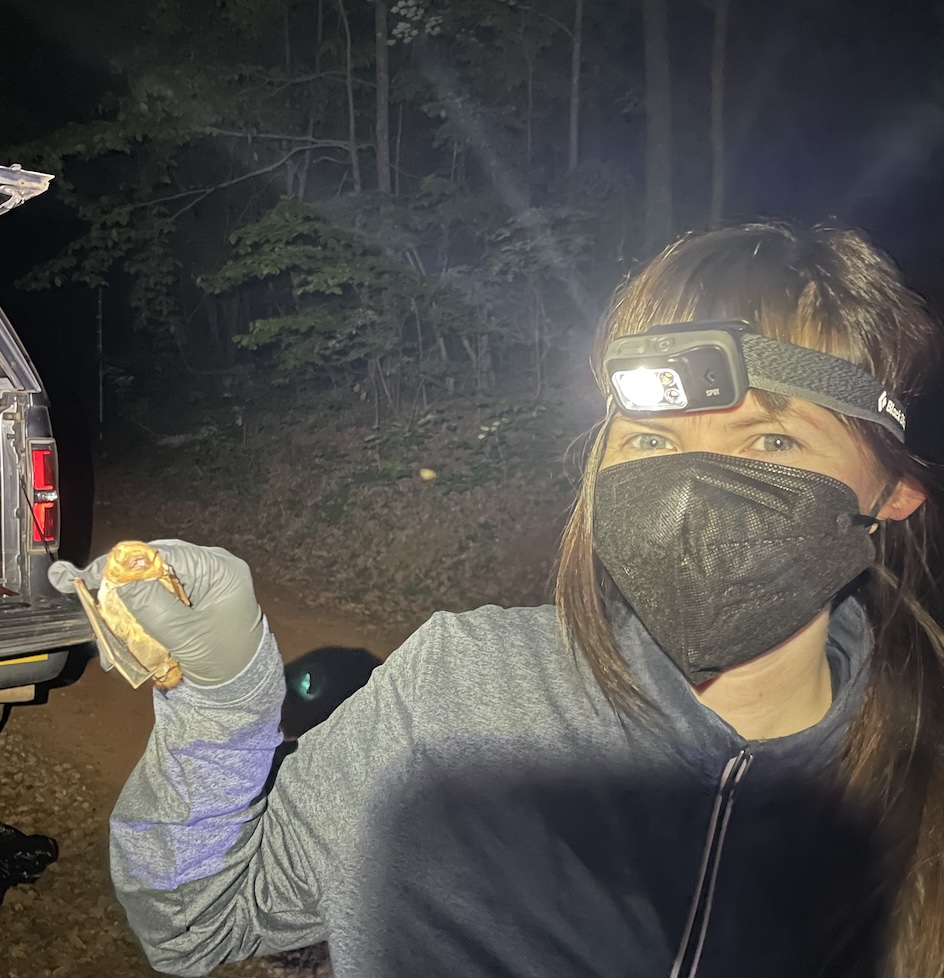
“Wormsloe represents a pristine, non-polluted environment where bats are continually active during winter months due to warmer temperatures,” said Mizzoni, who is pursuing her doctorate in the Odum School of Ecology. “My hope for this project is to understand how contaminants seasonally interact with bat health in wild populations to better inform conservation management and environmental policy.”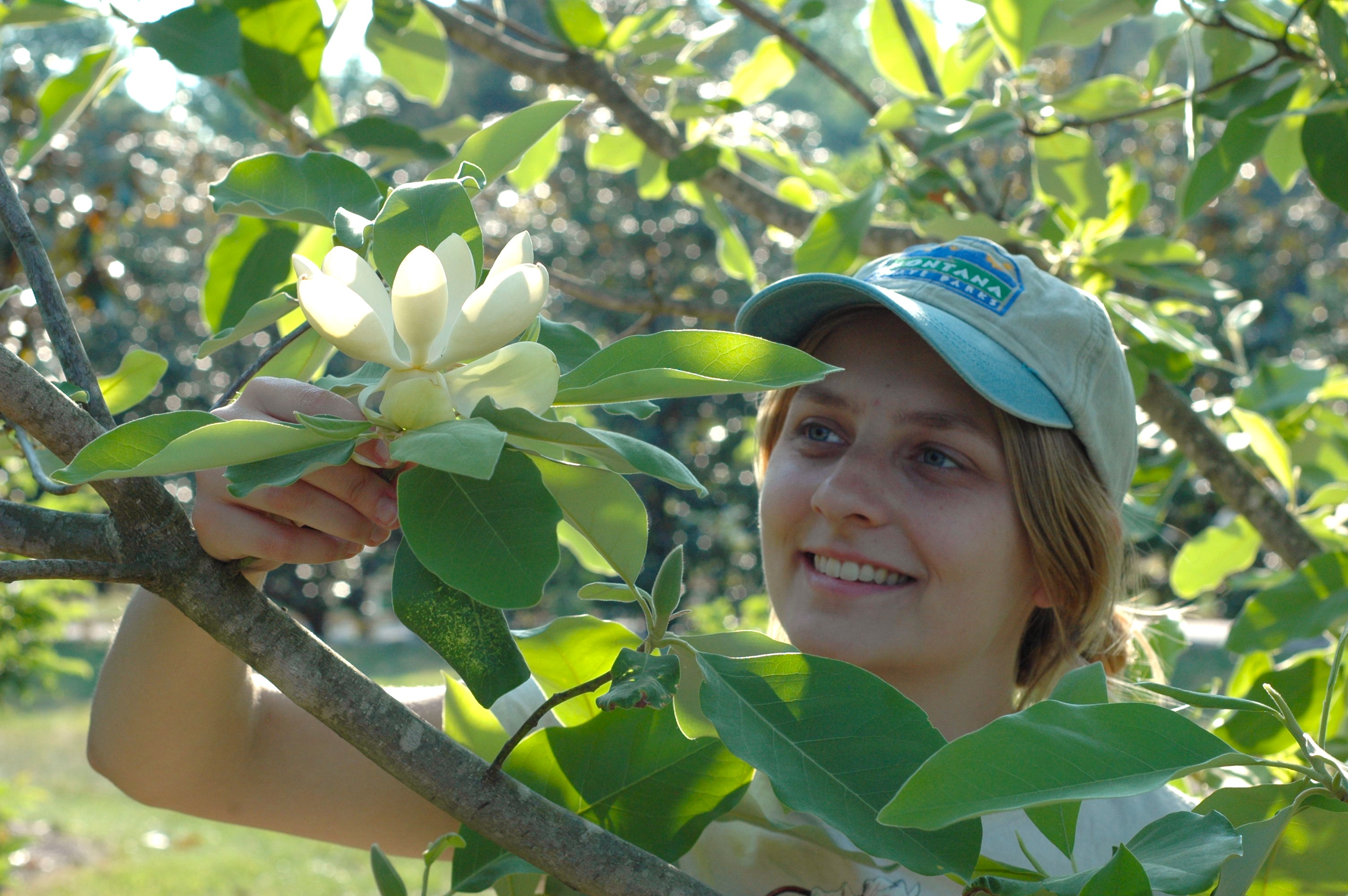
Cole, an entomology student in the College of Agricultural and Environmental Sciences, will explore the interaction of beetles and honeybees with trees at the site. “This project will provide a thorough understanding of the pollination and signaling of a heavily cultivated, ancient plant lineage,” she said. “Understanding the pollination ecology of native Magnolia at this site will aid in protecting these species outside of Wormsloe, as this research will build a baseline for what healthy, native Magnolia habitat in the southeastern U.S. looks like.”
Cole and Mizzoni join three other doctoral students conducting important ecological studies at the Center for Research and Education at Wormsloe. The three students who will continue their Wormsloe Fellowships are:
-
Daniel Gilley, Odum School of Ecology, whose research involves the foraging patterns of honeybees
-
Diane Klement, Warnell School of Forestry and Natural Resources, whose work is uncovering factors in the life cycle of the Painted Bunting, a declining migratory songbird species
-
Taylor Pearson, College of Veterinary Medicine, who is researching the prevalence and diversity of tick species and tick-borne pathogens along the Georgia coastline
“I am delighted to welcome the newest Wormsloe Fellows, Piper Cole and Marisa Mizzoni, to the Center for Research and Education at Wormsloe,” said Mary Socci, director of the Center for Research and Education at Wormsloe. “They join a cohort of researchers who are expanding our understanding of coastal ecology and generating valuable data on the impact of human-driven changes to the environment. I look forward to seeing the results of their studies.”
For more information about the Center for Research and Education at Wormsloe and the Wormsloe Fellowship, visit libs.uga.edu/wormsloe.